

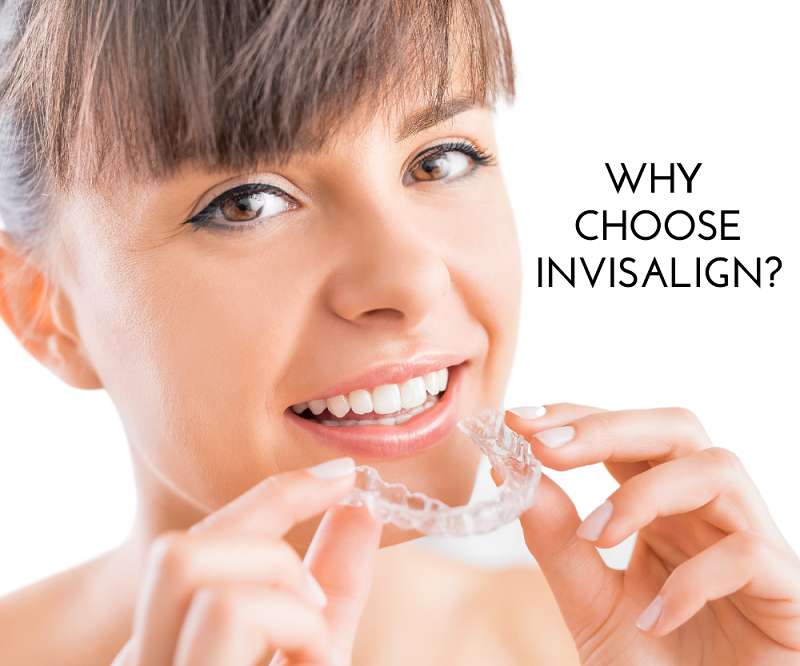
What Are the Benefits of Invisalign Compared to Traditional Braces?
The main benefits of Invisalign compared to traditional braces include a nearly invisible appearance, no food restrictions, easier oral hygiene, and greater comfort during treatment. Both straighten teeth well, but they work in different ways and offer distinct advantages. The best choice depends on your specific needs, your daily routine, and what matters most to you.
Dr. Levi Hansen and our team at Hansen Orthodontics in Kansas hear this question all the time. If the discreet look of clear aligners appeals to you, or you prefer the proven reliability of braces, we’re here to help you sort through your choices and find the right fit.
What Is Invisalign and How Does It Differ from Traditional Braces?
Invisalign is a clear aligner system that straightens teeth using a series of custom-made, removable plastic trays. Each set of trays applies gentle, controlled pressure to shift your teeth gradually into better alignment. Because the trays are made from transparent material, most people won’t even notice you’re wearing them.
Traditional braces use a fixed system of metal or ceramic brackets bonded directly to your teeth. An archwire connects the brackets and applies continuous force to move teeth over time. Unlike Invisalign, braces stay on your teeth throughout the entire treatment, and your orthodontist adjusts them at regular appointments.
At Hansen Orthodontics, we help patients understand these differences during their first visit. The biggest distinctions come down to visibility, removability, and lifestyle impact. Invisalign trays come out for eating, brushing, and flossing. Braces don’t. Invisalign is nearly invisible. Braces are noticeable. Both get the job done, but the day-to-day experience feels quite different depending on which one you choose.
Start by understanding the mechanics behind each option, then weigh the benefits against your own priorities.
How Invisalign Works vs. How Traditional Braces Work
Invisalign uses a series of custom clear aligners to move teeth gradually, while braces use fixed brackets and archwires to apply continuous mechanical force. Both treatments achieve straighter teeth, but the approach, timeline, and patient experience differ in meaningful ways.
How Does the Invisalign Process Work?
Invisalign treatment starts with a digital scan of your teeth. Hansen Orthodontics uses advanced technology like the iTero scanner to create a precise 3D model of your mouth. From there, your orthodontist maps out your entire treatment plan, and you actually get to see a projection of how your teeth will move before anything starts.
Based on this digital plan, a series of custom aligners are created just for you. Each set is worn for one to two weeks before switching to the next. The aligners are made from SmartTrack material, a medical-grade plastic designed to apply controlled, gentle force to shift your teeth into their ideal positions. Most of our patients wear their aligners for six to eighteen months.
How Does the Traditional Braces Process Work?
Braces take a different approach. Metal or ceramic brackets are bonded directly to each tooth, and an archwire connects them all together. Elastic bands hold the wire in place on each bracket.
At Hansen Orthodontics, your orthodontist adjusts the tension in the archwire at regular appointments, typically every four to six weeks. This continuous mechanical force moves your teeth over time. Because braces are fixed, they work around the clock without any effort on your part. No discipline required. Treatment usually takes twelve to thirty-six months, depending on how much correction is needed.
7 Key Benefits of Invisalign Compared to Traditional Braces
While both treatments straighten teeth well, Invisalign offers several advantages that make it particularly appealing for many of our patients. These benefits include a nearly invisible look, no food restrictions, easier oral hygiene, greater comfort, fewer office visits, predictable treatment planning, and more lifestyle flexibility.
Nearly Invisible Appearance
Clear aligners are made from transparent plastic that fits snugly over your teeth. Most people won’t notice you’re wearing them unless they look closely. For adults in professional settings and teens who feel self-conscious about their appearance, this is often the deciding factor. Our patients in Kansas tell us all the time that they went weeks before coworkers or classmates noticed anything different about their smile.
No Food Restrictions
Because you remove your aligners to eat, you enjoy all your favorite foods without worry. No list of prohibited snacks. No concerns about breaking a bracket on popcorn. No sticky candy getting caught in wires. Just take them out, eat what you want, and put them back in. That freedom adds up over months of treatment, especially during holidays and special occasions when food is a big part of the celebration.
Easier Brushing and Flossing
Keeping your teeth clean with Invisalign is straightforward. Take out your aligners, brush and floss normally, rinse your aligners, and put them back in. That’s really all there is to it. There’s no threading floss under wires or using special brushes to clean around brackets, which makes a real difference over months of treatment.
Greater Comfort
Invisalign aligners are made from smooth plastic with no sharp edges. Some pressure when you switch to a new set is normal, but there are no brackets rubbing against your cheeks or wire ends poking your gums. Most of our patients describe the discomfort as mild and short-lived, usually fading within a day or two of switching trays. Compared to the soreness many braces patients feel after wire adjustments, aligners tend to be noticeably gentler on the soft tissue inside your mouth.
How Does Invisalign Require Fewer Office Visits?
Invisalign patients typically come in for check-ups every six to eight weeks, compared to the monthly adjustments often needed with braces. Fewer visits means less time away from work or school, and more flexibility in your schedule. For busy families managing multiple calendars, this difference matters.
Predictable Treatment Planning
The 3D digital planning process lets you see your projected results before treatment begins. You know what to expect from the start. No guessing, no surprises. Visualizing your new smile from day one helps keep you motivated throughout the process.
How Does Invisalign Offer More Lifestyle Flexibility?
A big presentation at work, a wedding, a family photo session: you can remove your aligners briefly for important moments. This flexibility gives you more control over your treatment experience. Braces don’t offer that option. For athletes, musicians who play wind instruments, or anyone with an active social calendar, that removability is a genuine advantage worth considering.
Invisalign vs. Traditional Braces: A Side-by-Side Comparison of Benefits
Here’s how they stack up.
| Feature | Invisalign | Traditional Braces |
|---|---|---|
| Appearance | Nearly invisible clear plastic | Visible metal or ceramic brackets |
| Removability | Removable for eating and cleaning | Fixed to teeth throughout treatment |
| Comfort | Smooth plastic, no sharp edges | Brackets and wires may irritate cheeks |
| Food Restrictions | None, remove aligners to eat | Avoid hard, sticky, and crunchy foods |
| Oral Hygiene | Brush and floss normally | Requires special cleaning techniques |
| Office Visits | Every 6-8 weeks typically | Every 4-6 weeks typically |
| Compliance Required | Must wear 20-22 hours daily | Always working, no compliance needed |
| Best For | Mild to moderate cases | All complexity levels, including severe |
When Are Traditional Braces the Better Choice?
Braces remain the most versatile option for certain orthodontic situations, and they’re far from outdated. Braces handle severe crowding, significant tooth rotations, and complex bite issues that aligners sometimes can’t fully correct. They also give your orthodontist precise control over individual tooth movements that clear aligners may struggle to replicate.
Braces also don’t require the same level of patient discipline. Since they’re fixed to your teeth, they work continuously. For younger patients or anyone who struggles with wearing aligners consistently, braces are often the more reliable option.
According to the American Association of Orthodontists, both Invisalign and braces are effective treatments when used appropriately for the right cases.
How Should You Use This Comparison to Decide?
Think about your daily habits, your work or school environment, and how much you value the ability to remove your aligners. If discretion and convenience top your list, Invisalign is likely the stronger fit. If your case involves complex tooth movements or you’d rather not worry about compliance, braces may serve you better. Dr. Hansen and our team can walk you through both options during a free consult so you leave with a clear recommendation.
Cost Factors: Invisalign vs. Traditional Braces
Invisalign typically costs $3,000 to $8,000, while braces range from $2,500 to $7,000, making them comparable in price for most patients. At Hansen Orthodontics, the final number depends on several factors specific to your case.
Here’s what affects pricing:
- Case complexity: More severe alignment issues require longer treatment and more aligners or adjustments
- Treatment duration: Longer treatments generally cost more
- Type of aligner material or bracket system selected: Different systems carry different lab and material costs
- Orthodontist experience: Specialized expertise affects pricing
Does Insurance Cover Invisalign and What Payment Options Are Available?
Most dental insurance plans that cover orthodontic care cover Invisalign the same way they cover braces. Your benefits typically apply regardless of which treatment you choose.
Hansen Orthodontics offers affordable monthly payment plans to help make orthodontic care accessible for families across Kansas. A payment calculator on our website helps you estimate what your monthly investment looks like.
The best way to get an accurate cost estimate is through a free consult. During this visit, your orthodontist evaluates your specific needs and provides a treatment plan with clear pricing.
Who Is a Good Candidate for Invisalign?
Good Invisalign candidates typically have mild to moderate crowding, spacing, or bite issues, good oral health, and the discipline to wear aligners 20-22 hours daily. Invisalign works well for many of our patients, but it’s not the right fit for everyone.
Who Should Consider Invisalign vs. Braces?
You’re likely a great fit for Invisalign if you have mild to moderate crowding or spacing, minor bite issues, and the discipline to wear aligners consistently. An active lifestyle where removability matters also points toward clear aligners.
Braces may be the better path if you’re dealing with severe crowding, complex rotations, significant bite issues, or if consistent aligner wear feels unrealistic.
Why Does a Professional Evaluation Matter?
Dr. Levi Hansen, DMD, MS, determines your candidacy after a thorough evaluation that includes examining your teeth, taking X-rays, and creating digital scans. This assessment reveals details about your tooth roots, jaw structure, and bite that aren’t visible just by looking at your smile. Our team at Hansen Orthodontics takes the time to understand your goals before recommending any treatment. We believe ortho is for everyone, and we’ll help you find what fits your needs and lifestyle.
Frequently Asked Questions About Invisalign vs. Braces
Is Invisalign Faster Than Braces?
For mild to moderate issues, Invisalign often works just as quickly as braces, and sometimes faster. Complex cases take longer with either treatment. Dr. Hansen will give you a realistic timeline after evaluating your teeth.
Does Invisalign Hurt Less Than Braces?
Most of our patients report that Invisalign causes less discomfort. Expect some pressure when switching to a new set of aligners, but this typically fades within a day or two. With braces, patients sometimes experience irritation from brackets and wires, especially after adjustments, which is a noticeably different experience.
Can Invisalign Fix an Overbite?
Yes. Invisalign treats mild to moderate overbites using special features like precision cuts and attachments. Severe overbites may still require braces or a combination of treatments. Dr. Levi Hansen, DMD, MS, will let you know what’s possible for your specific situation.
Do You Need Retainers After Invisalign?
Absolutely. Retainers are essential after any orthodontic care. Your teeth naturally tend to shift back toward their original positions, especially in the months right after treatment ends. Wearing your retainer as directed keeps your new smile in place.
Can Teenagers Use Invisalign?
Yes! Invisalign Teen is specifically designed for adolescent patients. These aligners include compliance indicators, small blue dots that fade with wear, so parents and orthodontists can confirm the aligners are being worn enough.
What Happens If I Don’t Wear My Aligners Enough?
Treatment will take longer and results will suffer. Your teeth need consistent, gentle pressure to move properly. Stick to the 20-22 hours per day recommendation and you’ll stay on schedule.
If you’re still weighing your choices, a free consult at our Kansas practice is the best place to start. Our team will walk you through everything, answer your questions, and help you figure out which treatment fits your life best.