

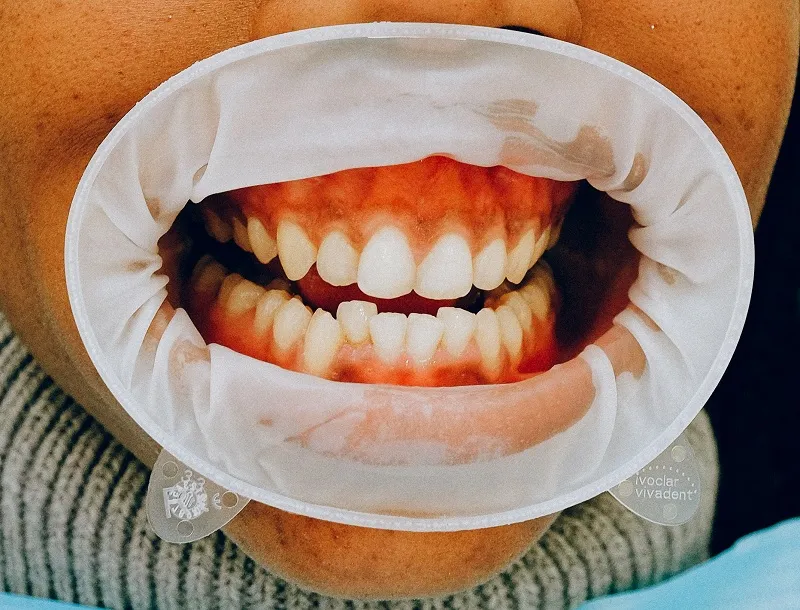
You see so many people with gorgeous, stunning teeth โ and you have to wonder whether it is because of their lucky genetics or carefully placed orthodontics.
Orthodontics is a specialized area of dentistry that focuses on the diagnosis, prevention, and treatment of conditions affecting the alignment of the teeth and jaw.
How do you know if you need braces?
Is your smile not as straight as you would like it to be? Some people are simply born with crooked teeth, while others are affected by things like thumb sucking or pacifier usage.
Some issues your dentist may refer you to an orthodontist for include crowded teeth, underbite, open bite, crossbite, deep bite, spacing, wisdom teeth, impacted teeth, or missing teeth.
While you may have a normal bite, you may suffer from varying degrees of crowding or spacing, another factor that can lead to misaligned teeth. Crowding is a condition that causes the teeth to overlap, rotate, and in some cases, grow into the incorrect position in the mouth, or in more extreme cases, cause the tooth to become trapped in the bone.
The teeth and jaw relationship begins right from birth, so it’s important to pay close attention to a child’s jaw development. The American Association of Orthodontists (AAO) recommends that children should be seen for their first orthodontic consultation no later than age 7. By the time a child is seven years of age, itโs usually quite obvious to a dentist/orthodontist if a patient will have orthodontic problems, as most of the adult teeth should be present. This pre-screening process can help the orthodontist recommend preventative measures or advise on future procedures if necessary. Adults can seek treatment at any time, as it is never too late to correct their teeth.
Are there non-cosmetic benefits?
Among the many benefits of braces is the improvement of small breathing passages or difficulty breathing, especially through the nose. Some of the signs that indicate you have difficulties breathing through your nose area are mouth breathing – especially while sleeping, daytime sleepiness, snoring, and more.
In addition, braces can help solve the issues of speech impediments, jaw pain, difficulty chewing or eating, sleep apnea, snoring, grinding or clenching teeth, gum disease, and tooth decay.
Healthy teeth and gums, improved health, relief of breathing issues, and enhanced self-esteem are just a few of the many benefits of correcting your teeth with braces.
To find an orthodontist in your area, you can visit The American Association of Orthodontists (AAO) website. Ask around among your family and friends to see who they recommend or see themselves, or request a consultation with Hansen Orthodontics to get their best recommendation.
tooth, jaw, malocclusion, dental braces, do i need braces, tooth decay, mouth, patient, gums, periodontal disease, orthodontics, disease, oral hygiene, pain, retainer, dental floss, dental plaque, rubber band, wire, crossbite, hygiene, clear aligners, ceramic, american association of orthodontists, tongue, orthodontic headgear, bad breath, chewing, risk, surgery, bruxism, molar, parent, orthognathic surgery, pediatric dentistry, toothbrush, lingual braces, dental insurance, mouthguard, permanent teeth, health insurance, temporomandibular joint, bracket, gingivitis, lip, brush, facial symmetry, thumb sucking, injury, i need braces, metal, biting, wisdom tooth, top front teeth, bite issues, tooth wear, pacifier, cheek, thumb, cosmetic dentistry, tissue, lisp, sleep apnea, wear, diastema, overjet, impacted wisdom teeth, infection, bacteria, tooth loss, should i get braces again, i want braces, braces appointment, oral irrigator, mouthwash
Frequently Asked Questions
Can you get braces whenever you want?
Yes, adults can seek orthodontic treatment at any time, as it is never too late to correct teeth alignment issues. Whether for health or cosmetic reasons, braces can be beneficial for improving breathing, speech, chewing, and overall oral health. Consult with an orthodontist to discuss your specific needs and options.
I want braces, what do I do?
If you are considering getting braces, start by scheduling a consultation with an orthodontist. They will assess your teeth and jaw alignment to determine the best treatment plan. Discuss options, costs, and expected outcomes during the consultation. Follow the orthodontist's recommendations for a healthier, straighter smile.
Can I get braces if I want to?
Yes, you can get braces if you want to. Orthodontic treatment is available for individuals of all ages, including adults. Whether you are looking to correct misaligned teeth, improve your bite, or address other dental concerns, seeking consultation with an orthodontist can help determine the best treatment options for you.
Can you refuse braces?
Yes, you can refuse braces if you choose not to undergo orthodontic treatment. However, it's essential to consider the potential benefits of braces for oral health, breathing, speech, and self-esteem before making a decision. Consulting with an orthodontist can provide insights into personalized treatment options.
Can you choose what kind of braces you want?
Yes, you can choose the type of braces you want, including traditional metal braces, ceramic braces, lingual braces, or clear aligners like Invisalign. Discuss your preferences with your orthodontist to determine the best option for your specific needs and lifestyle.
Can I tell my dentist I want braces?
Yes, you can express your interest in braces to your dentist. They may refer you to an orthodontist for further evaluation and treatment. It's essential to communicate your desires and concerns openly with your dental provider for appropriate guidance.
Do I need braces for an overbite?
An overbite may require braces for correction. Consult an orthodontist to assess the severity and determine the best treatment plan. Braces can help align the teeth and jaw, improving oral health and aesthetics. Early intervention is key for effective overbite treatment.
Do I need braces to fix one tooth?
Braces are typically used to correct misalignments involving multiple teeth rather than just one tooth. For a single tooth issue, alternatives like veneers, bonding, or clear aligners may be more suitable. Consult with an orthodontist for personalized recommendations based on your specific situation.
Do I need braces for one crooked tooth?
For one crooked tooth, braces may not be necessary. Options like clear aligners or veneers could be considered. Consult with an orthodontist to determine the best solution for your specific case.
Can I wear braces forever?
Braces are not meant to be worn forever. They are typically worn for a specific period, usually ranging from 1 to 3 years, depending on the individual's orthodontic needs. After the treatment period, retainers are often used to maintain the results achieved with braces.
How to buy braces?
To buy braces, follow these steps:
Consult an orthodontist for evaluation.
Discuss treatment options and costs.
Review insurance coverage.
Schedule appointments for fitting and adjustments.
Follow care instructions for optimal results.
How to purposely get braces?
To purposely get braces, start by scheduling a consultation with an orthodontist. Discuss your reasons for seeking braces, such as improving your smile or addressing dental issues. Follow the orthodontist's treatment plan, which may involve wearing braces or clear aligners. Maintain good oral hygiene throughout the treatment process to achieve the best results.
Reasons why I need braces?
Braces can correct crowded or misaligned teeth, improve breathing, speech, and chewing, alleviate jaw pain, and prevent dental issues like gum disease and tooth decay. They enhance overall health, boost self-esteem, and are beneficial for both children and adults seeking orthodontic treatment.
Can you travel with braces?
Traveling with braces is possible and common. Remember to pack essentials like a toothbrush, toothpaste, floss, wax, and orthodontic supplies. Carry a braces-friendly diet, avoid hard or sticky foods, and keep up with oral hygiene while on the go. If any issues arise, contact your orthodontist promptly.
How to go about getting braces?
To get braces, start by consulting with an orthodontist. They will assess your teeth and jaw alignment, recommend a treatment plan, and discuss options like traditional braces or clear aligners. Follow their guidance for appointments, adjustments, and proper care to achieve the desired results.
Can I get braces with straight teeth?
Yes, you can get braces even if your teeth are already straight. Braces can address issues beyond alignment, such as breathing difficulties, speech impediments, jaw pain, and more. Consult with an orthodontist to explore the benefits of braces for your overall oral health.
Do I need braces before veneers?
Braces are typically recommended before getting veneers to ensure proper alignment and positioning of the teeth. Orthodontic treatment can address underlying issues like misalignment, crowding, or spacing, creating a solid foundation for successful veneer placement. Consult with an orthodontist to determine the best treatment sequence for your specific case.
Can I put on my own braces?
Putting on your own braces is not recommended. Orthodontic treatment should be supervised by a professional to ensure safety and effectiveness. Attempting to apply braces without proper training can lead to serious dental issues and complications. Always consult with an orthodontist for the best treatment options.
Can I get braces if I dont need them?
Braces are typically recommended for individuals with misaligned teeth or jaw issues. If you don't require braces for orthodontic reasons, it's best to consult with an orthodontist to assess your specific situation. They can provide guidance on whether braces are necessary for your dental health.
Can you fix braces yourself?
Attempting to fix braces yourself is highly discouraged. Orthodontic treatment should only be performed by trained professionals to ensure safety and effectiveness. Self-adjusting braces can lead to serious dental issues and may result in costly repairs. Always consult with an orthodontist for proper treatment.
Can a dentist tell me if I need braces instead of orthodontics?
A dentist can refer you to an orthodontist for braces if needed. Orthodontists specialize in diagnosing and treating teeth alignment issues, ensuring you receive the appropriate care for your specific condition. It's essential to consult with an orthodontist for comprehensive evaluation and treatment recommendations.
Do braces change your profile?
Braces can impact your profile by aligning your teeth and jaw, potentially improving facial symmetry and overall appearance. However, the extent of profile change varies based on individual cases and treatment goals. Orthodontists consider profile adjustments during treatment planning to achieve desired aesthetic outcomes.
Can I tell if I need braces through a photo of my teeth?
Determining the need for braces through a photo is challenging. An in-person orthodontic evaluation is crucial for accurate diagnosis. Factors like jaw alignment, bite issues, and overall oral health require a professional assessment. Consult an orthodontist for personalized advice on braces.
Do I need braces after jaw surgery?
Braces may be necessary after jaw surgery to align the teeth properly with the new jaw position. Your orthodontist will assess your specific case to determine if braces are needed post-surgery for optimal results in jaw alignment and overall oral health.
Do I need braces before jaw surgery?
Braces are often used before jaw surgery to align the teeth properly. They help create a stable bite relationship for the surgery and post-surgery results. Consult with an orthodontist to determine if braces are necessary before jaw surgery.
Can you ask for braces?
Yes, you can ask for braces. If you are concerned about your teeth alignment, speech, breathing, or overall oral health, requesting a consultation with an orthodontist like Hansen Orthodontics is a good step. They can assess your situation and recommend the best treatment options for you.
Can I ask to get braces?
Yes, you can ask to get braces. If you are considering orthodontic treatment, you can request a consultation with an orthodontist to discuss your options and determine the best course of action for correcting your teeth alignment. It's important to seek professional advice to address your specific dental needs.
Can I get braces without needing them?
No, you cannot get braces without needing them. Braces are orthodontic treatments designed to correct misaligned teeth or jaw issues. It is essential to consult with an orthodontist to determine if braces are necessary based on your specific dental condition.
Do I need braces again?
If you are experiencing issues like misaligned teeth, crowding, spacing, jaw pain, or breathing difficulties, you may need braces again. Consult with an orthodontist to determine the best course of action for your specific situation. Regular dental check-ups can help monitor your dental health and address any concerns promptly.
Can I get insurance to cover braces if I need them?
Insurance coverage for braces varies depending on your insurance plan. Some dental insurance policies may cover a portion of orthodontic treatment, while others may not. It's essential to check with your insurance provider to understand your coverage options for braces. Additionally, flexible spending accounts (FSAs) or health savings accounts (HSAs) can sometimes be used to cover orthodontic expenses.
Can I get braces with veneers?
Braces can be used with veneers, but the veneers may need to be replaced after orthodontic treatment due to changes in tooth alignment. Consult with an orthodontist to discuss the best approach for your specific situation.
Can I eat whatever I want with braces?
While wearing braces, it's best to avoid hard, sticky, or chewy foods to prevent damage. Opt for softer foods and cut fruits and vegetables into smaller pieces. Remember to follow your orthodontist's dietary guidelines for the best results.
Can you choose to get braces?
Yes, you can choose to get braces at any age to correct misaligned teeth, improve breathing, speech, and overall oral health. Consult with an orthodontist to discuss treatment options and benefits tailored to your specific needs.
Can I get braces if I want them?
Yes, you can get braces if you want them. Orthodontic treatment is available for individuals of all ages, including adults. Whether you are looking to correct misaligned teeth, improve your bite, or address other dental concerns, consulting with an orthodontist can help determine the best treatment plan for you.
Can I get braces just because I want them?
Braces are typically recommended based on orthodontic needs rather than personal preference. However, adults can seek treatment at any time for various reasons, including improving oral health, correcting alignment issues, and enhancing self-esteem. Consulting with an orthodontist will determine if braces are suitable for your specific situation.
Do I need a night guard if I have braces?
If you have braces, wearing a night guard may be recommended to protect your teeth from grinding or clenching during sleep. Braces can make teeth more susceptible to damage from these habits, so a night guard can help prevent issues and maintain your orthodontic treatment progress.
What causes the need for braces?
The need for braces can be caused by various factors such as crowded teeth, underbite, open bite, crossbite, deep bite, spacing issues, impacted teeth, or missing teeth. Genetics, habits like thumb sucking, and jaw development can also contribute to orthodontic problems.
Are braces necessary for slight misalignments?
Braces can be beneficial for slight misalignments, improving oral health, breathing, speech, and self-esteem. Consult with an orthodontist to determine the best treatment plan for your specific situation.
What age range is best for braces?
Braces are typically recommended for children around the age of 7 when most adult teeth are present. However, adults can seek orthodontic treatment at any age, as it's never too late to correct teeth alignment issues. Early intervention can prevent more severe problems later on.
Will braces interfere with daily activities?
Braces may initially affect speech and eating habits, but adjustments can be made. Regular oral hygiene routines and avoiding certain foods are necessary. Overall, braces should not significantly interfere with daily activities once you adjust to them.
How long is the typical braces treatment?
The typical braces treatment duration varies from person to person but generally lasts between 18 to 24 months. Factors influencing treatment length include the severity of misalignment, age, and adherence to orthodontic guidelines. Regular adjustments and proper care can help achieve optimal results within this timeframe.
What alternatives exist to traditional braces?
Alternative options to traditional braces include:
Invisalign: Clear aligners that are removable and nearly invisible.
Lingual braces: Braces placed on the back of teeth.
Ceramic braces: Tooth-colored brackets for a less noticeable appearance.
Self-ligating braces: Brackets that don't require elastic bands.
Clear braces: Transparent brackets for a discreet look.
do you need braces, do i need braces, why do we need braces, need braces, signs u need braces, do i really need braces, who needs braces, does everyone need braces, reasons for needing braces, will i need braces, do i need braces if my teeth overlap, when do i need braces, i need braces asap, i need braces, i want braces, youngest age for braces, how to know when you need braces, hansen orthodontics hutchinson ks, are braces needed, hansen orthodontics reviews, people who need braces, braces why needed, why we need braces, what braces do, when do you need braces, who need braces, teeth needs braces, when is braces needed, are braces necessary, teeth needing braces, do you really need braces, will i get braces, is braces necessary, why do i need braces, is orthodontics necessary, braces necessary, how to make yourself need braces, can you get braces just because you want them, do you need braces if your teeth overlap, overbite treatment kellog, can you just get braces if you want them, braces kellog, hansen orthodontics wichita ks, dr hansen orthodontics, hansen orthodontics goddard ks, orthodontist in kellog, adult braces hutchinson, adult braces wichita, why do some people need braces, how long do you need braces for crowded teeth, do braces make you look younger spring hill ks 66083, gums show more than teeth spring hill ks 66083, crossbites spring hill ks 66083, leg brace for walking, brace, can u get braces without needing them
Benefits of Early Orthodontic Treatment
Early orthodontic treatment can help identify and address potential issues with jaw development or tooth alignment at a young age. By starting treatment early, you can prevent more serious problems from developing as the child grows. This can lead to shorter and less intensive treatment later on, improving the overall effectiveness of the orthodontic process.
In addition, early orthodontic treatment can help improve the child's self-esteem and confidence. By addressing any visible alignment issues early on, children can feel more comfortable and confident in their smile, leading to better social interactions and improved overall well-being.
Your First Orthodontic Appointment
Your first orthodontic appointment is an important step in beginning the journey to a straighter smile. During this appointment, the orthodontist will conduct a thorough examination of your teeth and jaw, taking X-rays and impressions as needed. They will discuss your treatment options and create a personalized treatment plan tailored to your specific needs.
It's important to ask any questions you may have during this appointment, as it will help you understand the orthodontic process and what to expect moving forward. The orthodontist will also discuss the length of treatment, any potential discomfort, and proper care for your braces or aligners. By the end of the appointment, you will have a clear understanding of your orthodontic journey and be ready to take the next steps towards a healthier, straighter smile.
tooth, jaw, malocclusion, dental braces, do i need braces, tooth decay, mouth, patient, gums, periodontal disease, orthodontics, disease, oral hygiene, pain, retainer, dental floss, dental plaque, rubber band, wire, crossbite, hygiene, clear aligners, ceramic, american association of orthodontists, tongue, orthodontic headgear, bad breath, chewing, risk, surgery, bruxism, molar, parent, orthognathic surgery, pediatric dentistry, toothbrush, lingual braces, dental insurance, mouthguard, permanent teeth, health insurance, temporomandibular joint, bracket, gingivitis, lip, brush, facial symmetry, thumb sucking, injury, i need braces, metal, biting, wisdom tooth, top front teeth, bite issues, tooth wear, pacifier, cheek, thumb, cosmetic dentistry, tissue, lisp, sleep apnea, wear, diastema, overjet, impacted wisdom teeth, infection, bacteria, tooth loss, should i get braces again, i want braces, braces appointment, oral irrigator, mouthwash
Frequently Asked Questions
Can you get braces whenever you want?
Yes, adults can seek orthodontic treatment at any time, as it is never too late to correct teeth alignment issues. Whether for health or cosmetic reasons, braces can be beneficial for improving breathing, speech, chewing, and overall oral health. Consult with an orthodontist to discuss your specific needs and options.
I want braces, what do I do?
If you are considering getting braces, start by scheduling a consultation with an orthodontist. They will assess your teeth and jaw alignment to determine the best treatment plan. Discuss options, costs, and expected outcomes during the consultation. Follow the orthodontist's recommendations for a healthier, straighter smile.
Can I get braces if I want to?
Yes, you can get braces if you want to. Orthodontic treatment is available for individuals of all ages, including adults. Whether you are looking to correct misaligned teeth, improve your bite, or address other dental concerns, seeking consultation with an orthodontist can help determine the best treatment options for you.
Can you refuse braces?
Yes, you can refuse braces if you choose not to undergo orthodontic treatment. However, it's essential to consider the potential benefits of braces for oral health, breathing, speech, and self-esteem before making a decision. Consulting with an orthodontist can provide insights into personalized treatment options.
Can you choose what kind of braces you want?
Yes, you can choose the type of braces you want, including traditional metal braces, ceramic braces, lingual braces, or clear aligners like Invisalign. Discuss your preferences with your orthodontist to determine the best option for your specific needs and lifestyle.
Can I tell my dentist I want braces?
Yes, you can express your interest in braces to your dentist. They may refer you to an orthodontist for further evaluation and treatment. It's essential to communicate your desires and concerns openly with your dental provider for appropriate guidance.
Do I need braces for an overbite?
An overbite may require braces for correction. Consult an orthodontist to assess the severity and determine the best treatment plan. Braces can help align the teeth and jaw, improving oral health and aesthetics. Early intervention is key for effective overbite treatment.
Do I need braces to fix one tooth?
Braces are typically used to correct misalignments involving multiple teeth rather than just one tooth. For a single tooth issue, alternatives like veneers, bonding, or clear aligners may be more suitable. Consult with an orthodontist for personalized recommendations based on your specific situation.
Do I need braces for one crooked tooth?
For one crooked tooth, braces may not be necessary. Options like clear aligners or veneers could be considered. Consult with an orthodontist to determine the best solution for your specific case.
Can I wear braces forever?
Braces are not meant to be worn forever. They are typically worn for a specific period, usually ranging from 1 to 3 years, depending on the individual's orthodontic needs. After the treatment period, retainers are often used to maintain the results achieved with braces.
How to buy braces?
To buy braces, follow these steps:
Consult an orthodontist for evaluation.
Discuss treatment options and costs.
Review insurance coverage.
Schedule appointments for fitting and adjustments.
Follow care instructions for optimal results.
How to purposely get braces?
To purposely get braces, start by scheduling a consultation with an orthodontist. Discuss your reasons for seeking braces, such as improving your smile or addressing dental issues. Follow the orthodontist's treatment plan, which may involve wearing braces or clear aligners. Maintain good oral hygiene throughout the treatment process to achieve the best results.
Reasons why I need braces?
Braces can correct crowded or misaligned teeth, improve breathing, speech, and chewing, alleviate jaw pain, and prevent dental issues like gum disease and tooth decay. They enhance overall health, boost self-esteem, and are beneficial for both children and adults seeking orthodontic treatment.
Can you travel with braces?
Traveling with braces is possible and common. Remember to pack essentials like a toothbrush, toothpaste, floss, wax, and orthodontic supplies. Carry a braces-friendly diet, avoid hard or sticky foods, and keep up with oral hygiene while on the go. If any issues arise, contact your orthodontist promptly.
How to go about getting braces?
To get braces, start by consulting with an orthodontist. They will assess your teeth and jaw alignment, recommend a treatment plan, and discuss options like traditional braces or clear aligners. Follow their guidance for appointments, adjustments, and proper care to achieve the desired results.
Can I get braces with straight teeth?
Yes, you can get braces even if your teeth are already straight. Braces can address issues beyond alignment, such as breathing difficulties, speech impediments, jaw pain, and more. Consult with an orthodontist to explore the benefits of braces for your overall oral health.
Do I need braces before veneers?
Braces are typically recommended before getting veneers to ensure proper alignment and positioning of the teeth. Orthodontic treatment can address underlying issues like misalignment, crowding, or spacing, creating a solid foundation for successful veneer placement. Consult with an orthodontist to determine the best treatment sequence for your specific case.
Can I put on my own braces?
Putting on your own braces is not recommended. Orthodontic treatment should be supervised by a professional to ensure safety and effectiveness. Attempting to apply braces without proper training can lead to serious dental issues and complications. Always consult with an orthodontist for the best treatment options.
Can I get braces if I dont need them?
Braces are typically recommended for individuals with misaligned teeth or jaw issues. If you don't require braces for orthodontic reasons, it's best to consult with an orthodontist to assess your specific situation. They can provide guidance on whether braces are necessary for your dental health.
Can you fix braces yourself?
Attempting to fix braces yourself is highly discouraged. Orthodontic treatment should only be performed by trained professionals to ensure safety and effectiveness. Self-adjusting braces can lead to serious dental issues and may result in costly repairs. Always consult with an orthodontist for proper treatment.
Can a dentist tell me if I need braces instead of orthodontics?
A dentist can refer you to an orthodontist for braces if needed. Orthodontists specialize in diagnosing and treating teeth alignment issues, ensuring you receive the appropriate care for your specific condition. It's essential to consult with an orthodontist for comprehensive evaluation and treatment recommendations.
Do braces change your profile?
Braces can impact your profile by aligning your teeth and jaw, potentially improving facial symmetry and overall appearance. However, the extent of profile change varies based on individual cases and treatment goals. Orthodontists consider profile adjustments during treatment planning to achieve desired aesthetic outcomes.
Can I tell if I need braces through a photo of my teeth?
Determining the need for braces through a photo is challenging. An in-person orthodontic evaluation is crucial for accurate diagnosis. Factors like jaw alignment, bite issues, and overall oral health require a professional assessment. Consult an orthodontist for personalized advice on braces.
Do I need braces after jaw surgery?
Braces may be necessary after jaw surgery to align the teeth properly with the new jaw position. Your orthodontist will assess your specific case to determine if braces are needed post-surgery for optimal results in jaw alignment and overall oral health.
Do I need braces before jaw surgery?
Braces are often used before jaw surgery to align the teeth properly. They help create a stable bite relationship for the surgery and post-surgery results. Consult with an orthodontist to determine if braces are necessary before jaw surgery.
Can you ask for braces?
Yes, you can ask for braces. If you are concerned about your teeth alignment, speech, breathing, or overall oral health, requesting a consultation with an orthodontist like Hansen Orthodontics is a good step. They can assess your situation and recommend the best treatment options for you.
Can I ask to get braces?
Yes, you can ask to get braces. If you are considering orthodontic treatment, you can request a consultation with an orthodontist to discuss your options and determine the best course of action for correcting your teeth alignment. It's important to seek professional advice to address your specific dental needs.
Can I get braces without needing them?
No, you cannot get braces without needing them. Braces are orthodontic treatments designed to correct misaligned teeth or jaw issues. It is essential to consult with an orthodontist to determine if braces are necessary based on your specific dental condition.
Do I need braces again?
If you are experiencing issues like misaligned teeth, crowding, spacing, jaw pain, or breathing difficulties, you may need braces again. Consult with an orthodontist to determine the best course of action for your specific situation. Regular dental check-ups can help monitor your dental health and address any concerns promptly.
Can I get insurance to cover braces if I need them?
Insurance coverage for braces varies depending on your insurance plan. Some dental insurance policies may cover a portion of orthodontic treatment, while others may not. It's essential to check with your insurance provider to understand your coverage options for braces. Additionally, flexible spending accounts (FSAs) or health savings accounts (HSAs) can sometimes be used to cover orthodontic expenses.
Can I get braces with veneers?
Braces can be used with veneers, but the veneers may need to be replaced after orthodontic treatment due to changes in tooth alignment. Consult with an orthodontist to discuss the best approach for your specific situation.
Can I eat whatever I want with braces?
While wearing braces, it's best to avoid hard, sticky, or chewy foods to prevent damage. Opt for softer foods and cut fruits and vegetables into smaller pieces. Remember to follow your orthodontist's dietary guidelines for the best results.
Can you choose to get braces?
Yes, you can choose to get braces at any age to correct misaligned teeth, improve breathing, speech, and overall oral health. Consult with an orthodontist to discuss treatment options and benefits tailored to your specific needs.
Can I get braces if I want them?
Yes, you can get braces if you want them. Orthodontic treatment is available for individuals of all ages, including adults. Whether you are looking to correct misaligned teeth, improve your bite, or address other dental concerns, consulting with an orthodontist can help determine the best treatment plan for you.
Can I get braces just because I want them?
Braces are typically recommended based on orthodontic needs rather than personal preference. However, adults can seek treatment at any time for various reasons, including improving oral health, correcting alignment issues, and enhancing self-esteem. Consulting with an orthodontist will determine if braces are suitable for your specific situation.
Do I need a night guard if I have braces?
If you have braces, wearing a night guard may be recommended to protect your teeth from grinding or clenching during sleep. Braces can make teeth more susceptible to damage from these habits, so a night guard can help prevent issues and maintain your orthodontic treatment progress.
What causes the need for braces?
The need for braces can be caused by various factors such as crowded teeth, underbite, open bite, crossbite, deep bite, spacing issues, impacted teeth, or missing teeth. Genetics, habits like thumb sucking, and jaw development can also contribute to orthodontic problems.
Are braces necessary for slight misalignments?
Braces can be beneficial for slight misalignments, improving oral health, breathing, speech, and self-esteem. Consult with an orthodontist to determine the best treatment plan for your specific situation.
What age range is best for braces?
Braces are typically recommended for children around the age of 7 when most adult teeth are present. However, adults can seek orthodontic treatment at any age, as it's never too late to correct teeth alignment issues. Early intervention can prevent more severe problems later on.
Will braces interfere with daily activities?
Braces may initially affect speech and eating habits, but adjustments can be made. Regular oral hygiene routines and avoiding certain foods are necessary. Overall, braces should not significantly interfere with daily activities once you adjust to them.
How long is the typical braces treatment?
The typical braces treatment duration varies from person to person but generally lasts between 18 to 24 months. Factors influencing treatment length include the severity of misalignment, age, and adherence to orthodontic guidelines. Regular adjustments and proper care can help achieve optimal results within this timeframe.
What alternatives exist to traditional braces?
Alternative options to traditional braces include:
Invisalign: Clear aligners that are removable and nearly invisible.
Lingual braces: Braces placed on the back of teeth.
Ceramic braces: Tooth-colored brackets for a less noticeable appearance.
Self-ligating braces: Brackets that don't require elastic bands.
Clear braces: Transparent brackets for a discreet look.
do you need braces, do i need braces, why do we need braces, need braces, signs u need braces, do i really need braces, who needs braces, does everyone need braces, reasons for needing braces, will i need braces, do i need braces if my teeth overlap, when do i need braces, i need braces asap, i need braces, i want braces, youngest age for braces, how to know when you need braces, hansen orthodontics hutchinson ks, are braces needed, hansen orthodontics reviews, people who need braces, braces why needed, why we need braces, what braces do, when do you need braces, who need braces, teeth needs braces, when is braces needed, are braces necessary, teeth needing braces, do you really need braces, will i get braces, is braces necessary, why do i need braces, is orthodontics necessary, braces necessary, how to make yourself need braces, can you get braces just because you want them, do you need braces if your teeth overlap, overbite treatment kellog, can you just get braces if you want them, braces kellog, hansen orthodontics wichita ks, dr hansen orthodontics, hansen orthodontics goddard ks, orthodontist in kellog, adult braces hutchinson, adult braces wichita, why do some people need braces, how long do you need braces for crowded teeth, do braces make you look younger spring hill ks 66083, gums show more than teeth spring hill ks 66083, crossbites spring hill ks 66083, leg brace for walking, brace, can u get braces without needing them
Benefits of Early Orthodontic Treatment
Early orthodontic treatment can help identify and address potential issues with jaw development or tooth alignment at a young age. By starting treatment early, you can prevent more serious problems from developing as the child grows. This can lead to shorter and less intensive treatment later on, improving the overall effectiveness of the orthodontic process.
In addition, early orthodontic treatment can help improve the child's self-esteem and confidence. By addressing any visible alignment issues early on, children can feel more comfortable and confident in their smile, leading to better social interactions and improved overall well-being.
Your First Orthodontic Appointment
Your first orthodontic appointment is an important step in beginning the journey to a straighter smile. During this appointment, the orthodontist will conduct a thorough examination of your teeth and jaw, taking X-rays and impressions as needed. They will discuss your treatment options and create a personalized treatment plan tailored to your specific needs.
It's important to ask any questions you may have during this appointment, as it will help you understand the orthodontic process and what to expect moving forward. The orthodontist will also discuss the length of treatment, any potential discomfort, and proper care for your braces or aligners. By the end of the appointment, you will have a clear understanding of your orthodontic journey and be ready to take the next steps towards a healthier, straighter smile.