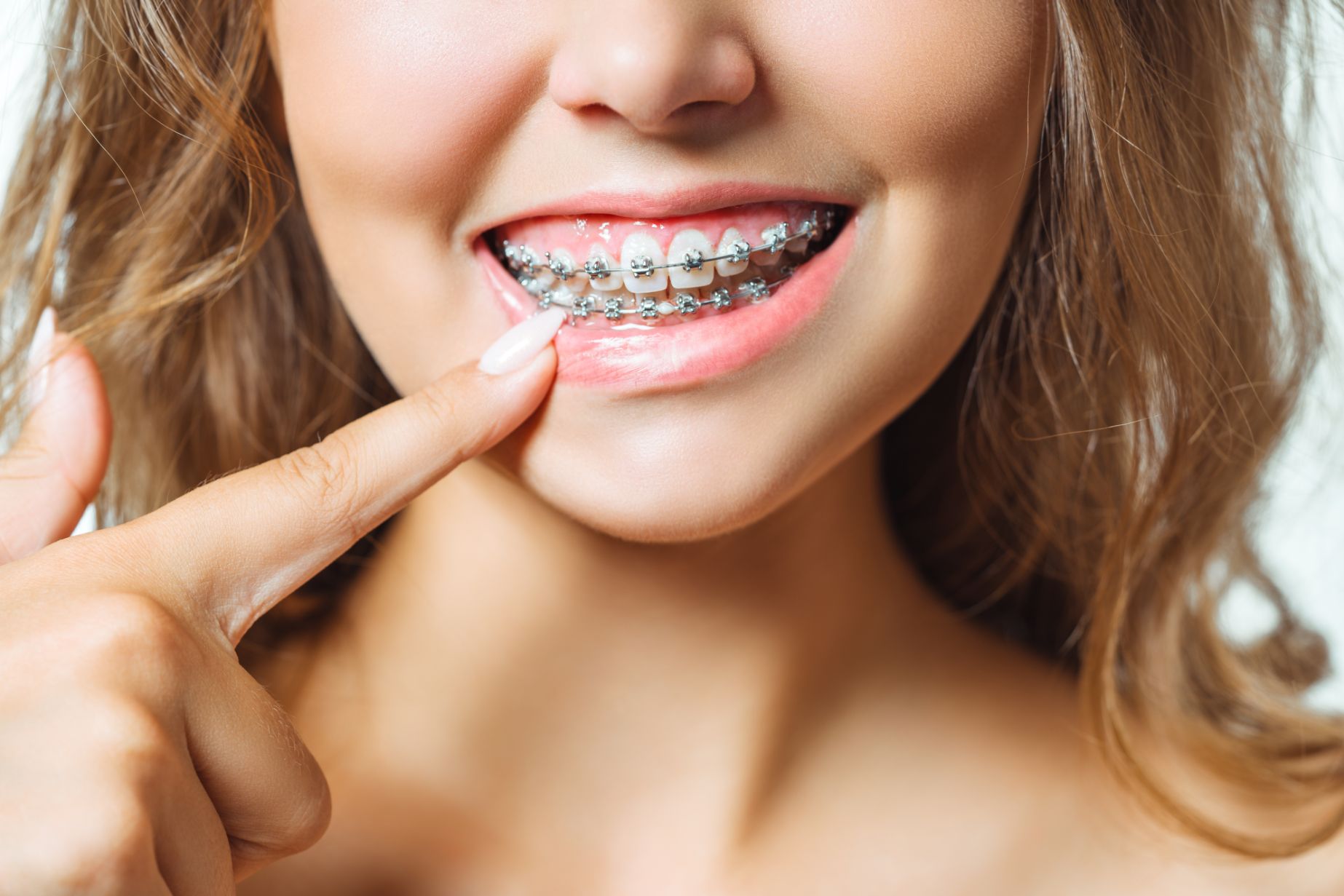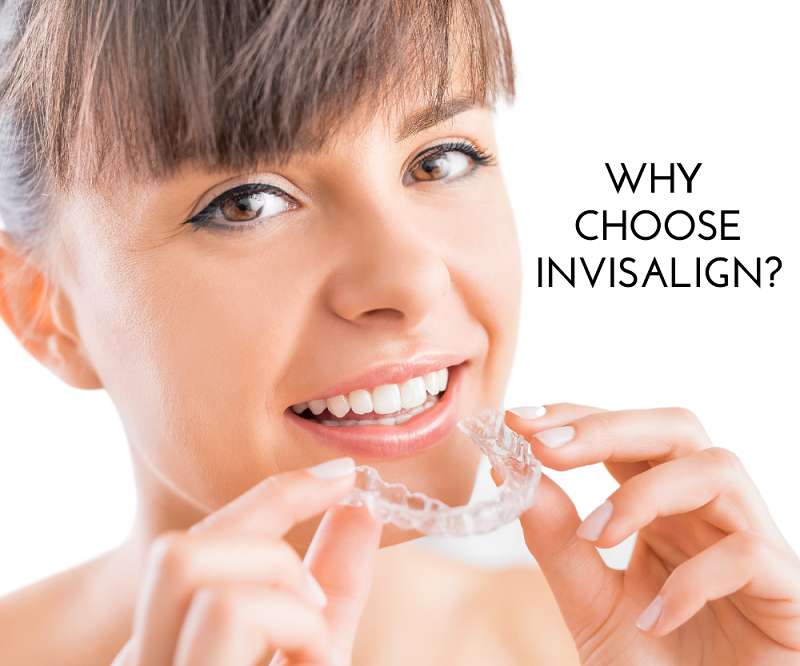

Start Your Smile Journey from the Comfort of Home In today’s fast-paced world, convenience matters. Whether you’re balancing work, school, or family schedules, finding time to visit the orthodontist can be a challenge. That’s why more patients than ever are choosing to begin their orthodontic journey with a virtual consultation.
Straight Teeth Do More Than Just Look Good Most people think of orthodontic treatment as a way to achieve a straighter smile and boost self-confidence. And while that’s certainly true, there’s more to it than just aesthetics. Properly aligned teeth can also improve your overall oral function—and that includes something
It’s Never Too Late to Invest in Your Smile Orthodontic treatment isn’t just for kids and teens. More adults than ever are choosing to straighten their teeth—whether for cosmetic reasons, improved oral health, or to correct issues that were never treated earlier in life. Still, many adults hesitate to get
Stay Calm and Smile On—Here’s How to Handle Orthodontic Emergencies Orthodontic treatment is designed to be smooth and predictable—but occasionally, things don’t go exactly as planned. Whether it’s a broken bracket, poking wire, or lost aligner, knowing how to handle an orthodontic emergency can make all the difference in keeping
Safeguard Your Smile During Sports, Sleep, and More Starting orthodontic treatment is a big step toward achieving a healthier, more confident smile—but protecting that investment is just as important as the treatment itself. Whether you’re wearing braces, clear aligners, or retainers, one simple tool can make a big difference: the
Find the Best Fit for Your Smile Goals When most people think of orthodontic treatment, they picture metal braces—but modern orthodontics offers a wide range of appliances, each designed to meet specific needs and lifestyles. From braces and clear aligners to expanders and retainers, there’s no one-size-fits-all solution. The key
Building Healthy, Confident Smiles from an Early Age When it comes to orthodontic care for kids, timing matters. Not every child will need braces early on—but for some, starting treatment at the right time can prevent more serious problems later and set the foundation for a healthier smile. That’s where
Want Results Faster? Let’s Talk About Speeding Up Your Smile Orthodontic treatment is an investment in your health, confidence, and appearance—but for many patients, the biggest concern is time. Whether you’re preparing for a major life event, want to shorten your time in braces, or simply prefer a faster path
Understanding When Braces Alone Aren’t Enough For many patients, traditional orthodontic treatment with braces or Invisalign is enough to correct misaligned teeth and improve their bite. But in some cases, the problem isn’t just with the teeth—it’s with how the jaws are positioned. When jaw growth or alignment issues are
patient, clear aligners, orthodontics, tooth, kansas, dental degree, american association of orthodontists, orthodontists in wichita, malocclusion, gums, orthodontic technology, oral hygiene, confidence, retainer, mouth, ceramic, metal, orthodontic care, metal braces, orthodontist, ceramic braces, braces, comprehensive orthodontic treatment, clear, straighten teeth, hansen orthodontics, orthodontic treatment, dental, orthodontic, dr hansen ortho, hansen orthodontist, hansen miller orthodontics, accessibility, parent
Frequently Asked Questions
Where can I find an orthodontist?
You can find an orthodontist at local orthodontic offices in your area. Simply search online for orthodontists near you or ask for recommendations from your regular dentist. Visit websites or call to schedule a consultation appointment for personalized orthodontic care.
How much do braces cost in Kansas?
The cost of braces in Kansas can vary, ranging from $3,000 to $7,000 depending on the complexity of the case, type of braces chosen, and additional treatments needed. Factors like insurance coverage and payment plans can also impact the final cost of orthodontic treatment in Kansas.
Does Kansas Medicaid cover braces?
Kansas Medicaid may cover braces for children in certain cases when deemed medically necessary to correct dental issues that affect their health. However, eligibility criteria and coverage specifics can vary, so it's essential to contact Kansas Medicaid directly for accurate information on orthodontic coverage.
What services do orthodontists provide?
Orthodontists provide services such as braces, clear aligner therapy like Invisalign, space maintainers, and treatments for malocclusion. They specialize in diagnosing, preventing, and treating teeth alignment issues to enhance overall oral health and create beautiful smiles. Additionally, orthodontists offer consultations, adjustments, and personalized treatment plans for patients of all ages.
How long is orthodontic treatment typically?
Orthodontic treatment typically lasts from 18 to 36 months, varying based on individual needs and complexity. Factors like the severity of misalignment and patient compliance influence the treatment duration. Regular appointments and following care instructions help achieve optimal results efficiently.
Are there less visible braces available?
Yes, clear aligner therapy offers virtually invisible braces for discreet teeth straightening. Clear aligners gradually move teeth without visible brackets or wires, providing a more aesthetically pleasing option for orthodontic treatment. Many individuals opt for clear aligners for a subtle and convenient way to achieve a straighter smile.
What age should children see an orthodontist?
Children should see an orthodontist around 7 years old for an initial evaluation. Early intervention can help detect and address potential orthodontic issues before they worsen, leading to better treatment outcomes in the long run. Regular dental check-ups are important to monitor dental development.
Can orthodontic care fix overbites?
Orthodontic care can effectively fix overbites through treatments like braces or clear aligners, which gradually adjust the position of the teeth and jaw. Early intervention can lead to successful correction of overbites, improving both oral health and aesthetics. Regular consultations with an orthodontist are essential for personalized treatment plans.
Are retainers necessary after braces?
Retainers are crucial after braces to maintain the new alignment of the teeth. They prevent them from shifting back over time. Retainers are typically worn full-time initially and then at night to ensure long-lasting results and prevent orthodontic relapse. Following orthodontic treatment, retainers are essential for a stable outcome.
How frequently should I visit my orthodontist?
It is generally recommended to visit your orthodontist every 4 to 8 weeks for routine adjustments and check-ups during orthodontic treatment. These regular visits ensure that your braces or aligners are functioning effectively and allow your orthodontist to monitor progress and make any necessary adjustments.
What insurance plans do orthodontists accept?
Orthodontists typically accept a variety of insurance plans, including PPO plans, HMO plans with orthodontic coverage, and Medicaid for children that meet specific criteria. It is advisable to contact the orthodontic office directly to inquire about specific insurance coverage and payment options.
Can adults benefit from orthodontic treatment?
Adults can benefit significantly from orthodontic treatment. Orthodontics can correct alignment issues, improve oral health, enhance aesthetics, and boost confidence. Advancements like clear aligners offer discreet options for adults seeking orthodontic care. It's never too late to achieve a straighter, healthier smile.
What is the success rate of braces?
The success rate of braces is generally high, with most patients achieving desired outcomes in terms of tooth alignment and overall oral health. Compliance with orthodontic treatment and proper oral care significantly contribute to the success of braces in correcting misalignments and improving smiles. Regular follow-ups with the orthodontist are also essential for monitoring progress and making necessary adjustments.
Do orthodontists offer teeth whitening services?
Orthodontists typically focus on straightening teeth and correcting bites rather than offering teeth whitening services. However, some orthodontic offices may provide whitening treatments after orthodontic treatment is complete for aesthetic purposes. It's best to inquire directly with your orthodontist about the availability of teeth whitening services or for recommendations on where to seek them.
Can I eat normally with braces?
Eating with braces requires some adjustments. Avoid hard, sticky foods and cut hard fruits and veggies into small pieces. Chew carefully to prevent breaking brackets and wires. Regularly brush, floss, and use a water flosser to keep teeth clean. Follow dietary recommendations to ensure successful treatment.
How to manage discomfort from braces?
To manage discomfort from braces, try these tips:
Rinse with saltwater
Apply orthodontic wax
Use over-the-counter pain relievers
Eat softer foods
Stay hydrated
Consult your orthodontist in case of persistent pain.
Are there alternatives to traditional metal braces?
Yes, alternatives to traditional metal braces include clear aligner therapy like Invisalign, lingual braces, ceramic braces, and space maintainers. Each option offers unique benefits for teeth straightening, comfort, and aesthetic appeal. Consult with an orthodontist to determine the best option for your specific needs.
How do I maintain oral hygiene with braces?
To maintain oral hygiene with braces, follow these steps:
Brush after every meal using fluoride toothpaste.
Floss daily with a floss threader or interdental brush.
Rinse with fluoride mouthwash.
Avoid hard, sticky foods.
Regularly attend orthodontic check-ups.
Whats the average cost of adult braces?
The average cost of adult braces can vary depending on factors like treatment duration, the severity of the case, and the type of braces chosen. On average, adult braces can cost between $5,000 to $7,000. It's essential to consult with an orthodontist for an accurate estimate tailored to your specific needs.
Do orthodontists provide Invisalign treatment?
Yes, orthodontists provide Invisalign treatment. Invisalign is a popular option in orthodontic care due to comfort, convenience, and discreet appearance. Orthodontists specializing in Invisalign offer this treatment for individuals seeking a more subtle alternative to traditional braces.
How to choose the right orthodontist?
When choosing the right orthodontist, consider these factors:
Reputation: Look for reviews and ask for recommendations.
Expertise: Ensure the orthodontist specializes in the treatment you need.
Technology: Check for modern equipment like digital scanners.
Convenience: Select a location close to your home or work.
Cost: Inquire about payment plans and insurance coverage.
Can orthodontic work help prevent gum disease?
Orthodontic work can aid in preventing gum disease by aligning teeth properly, reducing spaces where bacteria can accumulate, improving oral hygiene effectiveness, and enhancing gum health through improved alignment. Properly aligned teeth contribute to overall gum health and reduce the risk of gum disease.
Are digital X-rays used in orthodontics?
Yes, digital X-rays are commonly used in orthodontics for precise imaging of teeth and jaw alignment. They offer clearer images, lower radiation exposure, and easier storage and sharing of patient records compared to traditional X-rays. Digital X-rays enhance orthodontic diagnostics and treatment planning.
Do you need a referral for an orthodontist?
No, you usually do not need a referral to see an orthodontist. You can schedule an appointment directly with an orthodontic specialist for an initial consultation to evaluate your orthodontic needs and discuss treatment options. Many orthodontists welcome new patients without requiring a referral.
What types of braces are fastest?
In orthodontics, the fastest types of braces are often known as accelerated orthodontics. This includes options like self-ligating braces, clear aligners, and lingual braces. Accelerated methods can help speed up the alignment process compared to traditional braces.
Can braces correct jaw misalignment?
Braces can help correct minor jaw misalignments by adjusting the position of the teeth, which can in turn influence the alignment of the jaw. However, severe cases of jaw misalignment may require additional treatments or interventions beyond traditional braces, such as orthognathic surgery. Consulting with an orthodontic specialist is crucial to determine the best course of action for correcting jaw alignment.
What to do during an orthodontic emergency?
In case of an orthodontic emergency:
1. Contact your orthodontist immediately.
2. If a wire is poking, try pushing it back gently with a cotton swab.
3. If a bracket comes off, keep it and bring it to your appointment.
4. Rinse with warm saltwater for pain relief.
How effective are ceramic braces?
Ceramic braces are effective in straightening teeth like traditional braces but are less noticeable. They are a discreet option for orthodontic treatment, blending with teeth color. Ceramic braces require similar care to metal braces, but some components may be more prone to staining.
Are monthly check-ups required for braces?
Monthly check-ups are necessary for braces to ensure proper progress, adjustments, and maintenance. These appointments allow orthodontists to monitor teeth alignment, address any issues promptly, and make necessary modifications for effective treatment outcomes. Regular visits are crucial for the success of orthodontic treatment.
What financing options are available for orthodontic care?
There are several financing options available for orthodontic care, including:
Payment plans offered by orthodontic offices.
Flexible spending accounts (FSA) or health savings accounts (HSA).
Dental insurance coverage for orthodontic treatment.
Third-party financing companies specializing in healthcare loans.
hansen orthodontics hutchinson ks, orthodontist near wichita ks, hanson orthodontics, hansen orthodontics goddard ks, hansen ortho, dr hansen ortho, dr. hansen orthodontist, wichita orthodontist, orthodontist in wichita ks, hansen orthodontics wichita ks, hansen orthodontics, orthodontist, dr hansen orthodontist, hansen orthodontics reviews, dr hansen orthodontics, seo orthodontics, orthodontics wichita ks, wichita ks orthodontist, dr hanson orthodontist, hansen orthodontist, kids braces lacey, orthodontist wichita ks, dr. hansen ortho, orthodontist hutchinson ks, orthodontist in wichita, invisalign ely, orthodontist wichita, orthadontist, braces wichita ks, orthodontics blog, levi hansen, hutchinson orthodontist, hanson ortho, invisalign hutchinson, hanseen orthodontics, braces kellog, invisalign for teens wichita, teen orthodontics wichita, tmj treatment wichita, clear aligners wichita, jaw pain relief wichita, tmj specialist wichita, tmj treatment options wichita, tmj treatment kellog, tmj disorder wichita ks
patient, clear aligners, orthodontics, tooth, kansas, dental degree, american association of orthodontists, orthodontists in wichita, malocclusion, gums, orthodontic technology, oral hygiene, confidence, retainer, mouth, ceramic, metal, orthodontic care, metal braces, orthodontist, ceramic braces, braces, comprehensive orthodontic treatment, clear, straighten teeth, hansen orthodontics, orthodontic treatment, dental, orthodontic, dr hansen ortho, hansen orthodontist, hansen miller orthodontics, accessibility, parent
Frequently Asked Questions
Where can I find an orthodontist?
You can find an orthodontist at local orthodontic offices in your area. Simply search online for orthodontists near you or ask for recommendations from your regular dentist. Visit websites or call to schedule a consultation appointment for personalized orthodontic care.
How much do braces cost in Kansas?
The cost of braces in Kansas can vary, ranging from $3,000 to $7,000 depending on the complexity of the case, type of braces chosen, and additional treatments needed. Factors like insurance coverage and payment plans can also impact the final cost of orthodontic treatment in Kansas.
Does Kansas Medicaid cover braces?
Kansas Medicaid may cover braces for children in certain cases when deemed medically necessary to correct dental issues that affect their health. However, eligibility criteria and coverage specifics can vary, so it's essential to contact Kansas Medicaid directly for accurate information on orthodontic coverage.
What services do orthodontists provide?
Orthodontists provide services such as braces, clear aligner therapy like Invisalign, space maintainers, and treatments for malocclusion. They specialize in diagnosing, preventing, and treating teeth alignment issues to enhance overall oral health and create beautiful smiles. Additionally, orthodontists offer consultations, adjustments, and personalized treatment plans for patients of all ages.
How long is orthodontic treatment typically?
Orthodontic treatment typically lasts from 18 to 36 months, varying based on individual needs and complexity. Factors like the severity of misalignment and patient compliance influence the treatment duration. Regular appointments and following care instructions help achieve optimal results efficiently.
Are there less visible braces available?
Yes, clear aligner therapy offers virtually invisible braces for discreet teeth straightening. Clear aligners gradually move teeth without visible brackets or wires, providing a more aesthetically pleasing option for orthodontic treatment. Many individuals opt for clear aligners for a subtle and convenient way to achieve a straighter smile.
What age should children see an orthodontist?
Children should see an orthodontist around 7 years old for an initial evaluation. Early intervention can help detect and address potential orthodontic issues before they worsen, leading to better treatment outcomes in the long run. Regular dental check-ups are important to monitor dental development.
Can orthodontic care fix overbites?
Orthodontic care can effectively fix overbites through treatments like braces or clear aligners, which gradually adjust the position of the teeth and jaw. Early intervention can lead to successful correction of overbites, improving both oral health and aesthetics. Regular consultations with an orthodontist are essential for personalized treatment plans.
Are retainers necessary after braces?
Retainers are crucial after braces to maintain the new alignment of the teeth. They prevent them from shifting back over time. Retainers are typically worn full-time initially and then at night to ensure long-lasting results and prevent orthodontic relapse. Following orthodontic treatment, retainers are essential for a stable outcome.
How frequently should I visit my orthodontist?
It is generally recommended to visit your orthodontist every 4 to 8 weeks for routine adjustments and check-ups during orthodontic treatment. These regular visits ensure that your braces or aligners are functioning effectively and allow your orthodontist to monitor progress and make any necessary adjustments.
What insurance plans do orthodontists accept?
Orthodontists typically accept a variety of insurance plans, including PPO plans, HMO plans with orthodontic coverage, and Medicaid for children that meet specific criteria. It is advisable to contact the orthodontic office directly to inquire about specific insurance coverage and payment options.
Can adults benefit from orthodontic treatment?
Adults can benefit significantly from orthodontic treatment. Orthodontics can correct alignment issues, improve oral health, enhance aesthetics, and boost confidence. Advancements like clear aligners offer discreet options for adults seeking orthodontic care. It's never too late to achieve a straighter, healthier smile.
What is the success rate of braces?
The success rate of braces is generally high, with most patients achieving desired outcomes in terms of tooth alignment and overall oral health. Compliance with orthodontic treatment and proper oral care significantly contribute to the success of braces in correcting misalignments and improving smiles. Regular follow-ups with the orthodontist are also essential for monitoring progress and making necessary adjustments.
Do orthodontists offer teeth whitening services?
Orthodontists typically focus on straightening teeth and correcting bites rather than offering teeth whitening services. However, some orthodontic offices may provide whitening treatments after orthodontic treatment is complete for aesthetic purposes. It's best to inquire directly with your orthodontist about the availability of teeth whitening services or for recommendations on where to seek them.
Can I eat normally with braces?
Eating with braces requires some adjustments. Avoid hard, sticky foods and cut hard fruits and veggies into small pieces. Chew carefully to prevent breaking brackets and wires. Regularly brush, floss, and use a water flosser to keep teeth clean. Follow dietary recommendations to ensure successful treatment.
How to manage discomfort from braces?
To manage discomfort from braces, try these tips:
Rinse with saltwater
Apply orthodontic wax
Use over-the-counter pain relievers
Eat softer foods
Stay hydrated
Consult your orthodontist in case of persistent pain.
Are there alternatives to traditional metal braces?
Yes, alternatives to traditional metal braces include clear aligner therapy like Invisalign, lingual braces, ceramic braces, and space maintainers. Each option offers unique benefits for teeth straightening, comfort, and aesthetic appeal. Consult with an orthodontist to determine the best option for your specific needs.
How do I maintain oral hygiene with braces?
To maintain oral hygiene with braces, follow these steps:
Brush after every meal using fluoride toothpaste.
Floss daily with a floss threader or interdental brush.
Rinse with fluoride mouthwash.
Avoid hard, sticky foods.
Regularly attend orthodontic check-ups.
Whats the average cost of adult braces?
The average cost of adult braces can vary depending on factors like treatment duration, the severity of the case, and the type of braces chosen. On average, adult braces can cost between $5,000 to $7,000. It's essential to consult with an orthodontist for an accurate estimate tailored to your specific needs.
Do orthodontists provide Invisalign treatment?
Yes, orthodontists provide Invisalign treatment. Invisalign is a popular option in orthodontic care due to comfort, convenience, and discreet appearance. Orthodontists specializing in Invisalign offer this treatment for individuals seeking a more subtle alternative to traditional braces.
How to choose the right orthodontist?
When choosing the right orthodontist, consider these factors:
Reputation: Look for reviews and ask for recommendations.
Expertise: Ensure the orthodontist specializes in the treatment you need.
Technology: Check for modern equipment like digital scanners.
Convenience: Select a location close to your home or work.
Cost: Inquire about payment plans and insurance coverage.
Can orthodontic work help prevent gum disease?
Orthodontic work can aid in preventing gum disease by aligning teeth properly, reducing spaces where bacteria can accumulate, improving oral hygiene effectiveness, and enhancing gum health through improved alignment. Properly aligned teeth contribute to overall gum health and reduce the risk of gum disease.
Are digital X-rays used in orthodontics?
Yes, digital X-rays are commonly used in orthodontics for precise imaging of teeth and jaw alignment. They offer clearer images, lower radiation exposure, and easier storage and sharing of patient records compared to traditional X-rays. Digital X-rays enhance orthodontic diagnostics and treatment planning.
Do you need a referral for an orthodontist?
No, you usually do not need a referral to see an orthodontist. You can schedule an appointment directly with an orthodontic specialist for an initial consultation to evaluate your orthodontic needs and discuss treatment options. Many orthodontists welcome new patients without requiring a referral.
What types of braces are fastest?
In orthodontics, the fastest types of braces are often known as accelerated orthodontics. This includes options like self-ligating braces, clear aligners, and lingual braces. Accelerated methods can help speed up the alignment process compared to traditional braces.
Can braces correct jaw misalignment?
Braces can help correct minor jaw misalignments by adjusting the position of the teeth, which can in turn influence the alignment of the jaw. However, severe cases of jaw misalignment may require additional treatments or interventions beyond traditional braces, such as orthognathic surgery. Consulting with an orthodontic specialist is crucial to determine the best course of action for correcting jaw alignment.
What to do during an orthodontic emergency?
In case of an orthodontic emergency:
1. Contact your orthodontist immediately.
2. If a wire is poking, try pushing it back gently with a cotton swab.
3. If a bracket comes off, keep it and bring it to your appointment.
4. Rinse with warm saltwater for pain relief.
How effective are ceramic braces?
Ceramic braces are effective in straightening teeth like traditional braces but are less noticeable. They are a discreet option for orthodontic treatment, blending with teeth color. Ceramic braces require similar care to metal braces, but some components may be more prone to staining.
Are monthly check-ups required for braces?
Monthly check-ups are necessary for braces to ensure proper progress, adjustments, and maintenance. These appointments allow orthodontists to monitor teeth alignment, address any issues promptly, and make necessary modifications for effective treatment outcomes. Regular visits are crucial for the success of orthodontic treatment.
What financing options are available for orthodontic care?
There are several financing options available for orthodontic care, including:
Payment plans offered by orthodontic offices.
Flexible spending accounts (FSA) or health savings accounts (HSA).
Dental insurance coverage for orthodontic treatment.
Third-party financing companies specializing in healthcare loans.
hansen orthodontics hutchinson ks, orthodontist near wichita ks, hanson orthodontics, hansen orthodontics goddard ks, hansen ortho, dr hansen ortho, dr. hansen orthodontist, wichita orthodontist, orthodontist in wichita ks, hansen orthodontics wichita ks, hansen orthodontics, orthodontist, dr hansen orthodontist, hansen orthodontics reviews, dr hansen orthodontics, seo orthodontics, orthodontics wichita ks, wichita ks orthodontist, dr hanson orthodontist, hansen orthodontist, kids braces lacey, orthodontist wichita ks, dr. hansen ortho, orthodontist hutchinson ks, orthodontist in wichita, invisalign ely, orthodontist wichita, orthadontist, braces wichita ks, orthodontics blog, levi hansen, hutchinson orthodontist, hanson ortho, invisalign hutchinson, hanseen orthodontics, braces kellog, invisalign for teens wichita, teen orthodontics wichita, tmj treatment wichita, clear aligners wichita, jaw pain relief wichita, tmj specialist wichita, tmj treatment options wichita, tmj treatment kellog, tmj disorder wichita ks