

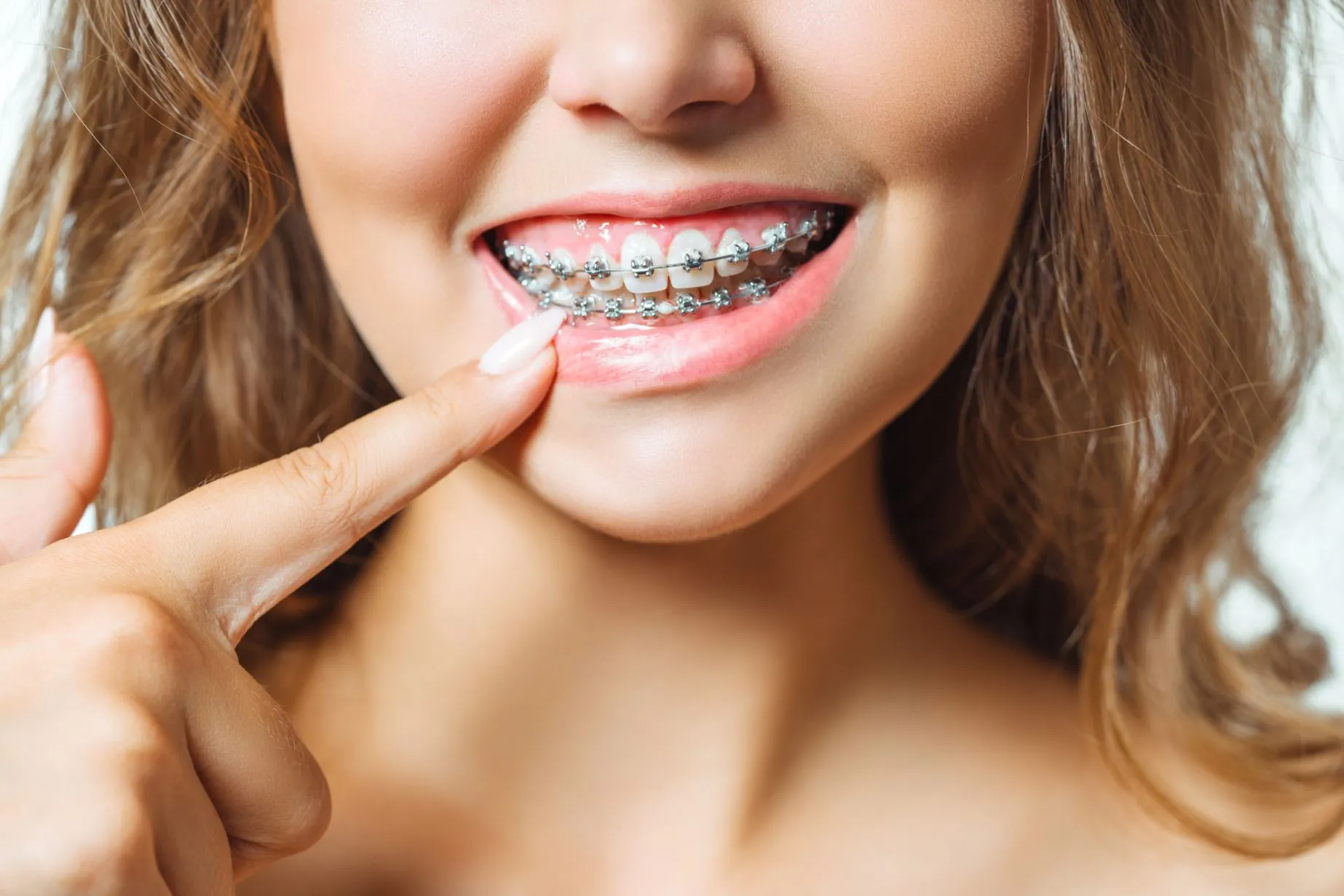
Yes — anyone playing a contact sport in braces needs a mouthguard, and it should be one made to fit over brackets. A standard boil-and-bite guard is molded to bare teeth, so it fits poorly over braces and can even pull brackets loose.
Between football, wrestling, basketball and soccer seasons across the Wichita area, this comes up in our office every fall. Here is what to buy, what to avoid, and why it matters more with braces than without.
Why Do Braces Change the Mouthguard Conversation?
Two things to protect, not one
Without braces, a mouthguard protects teeth. With braces, it also has to protect the soft tissue of the lips and cheeks from being driven into the brackets on impact — a common source of lacerations in youth sports.
Teeth are more mobile mid-treatment
During active treatment your teeth are deliberately loosened so they can move. That is normal and temporary, but it means a blow that might have chipped a tooth before can displace one now. Protection is more important during treatment than after it.
Your teeth are also a moving target
A guard molded tightly to today’s tooth positions will not fit in three months, which is exactly why the drugstore boil-and-bite approach fails for braces patients.
Which Mouthguard Should You Buy?
| Type | Fit over braces | Reality check |
|---|---|---|
| Stock (ready-to-wear) | Poor | Cheap, bulky, interferes with speech and breathing; better than nothing, barely |
| Boil-and-bite | Poor to fair | Molds to bare teeth; over braces it grips brackets and can loosen them as teeth move |
| Orthodontic mouthguard | Good | Made of softer material with extra room for brackets; the practical everyday choice |
| Custom-made | Best | Made from an impression or scan, thickest where impact lands, most comfortable to wear |
What to look for on the shelf
Look for the words “orthodontic” or “for braces” on the packaging, high-walled channels that cover the brackets, and a soft, flexible body. Skip anything that instructs you to boil and bite down hard.
When a custom guard is worth it
Heavy contact sports, an athlete who plays year-round, or a teen who refuses to wear a bulky guard. A guard that stays in the gym bag protects nothing, and comfort is the single biggest predictor of whether it gets worn. Ask us about it — mouthguards are part of the appliance work described on our treatments page.
How Do You Care for a Mouthguard?
After every practice
- Rinse in cool water and brush it gently with a soft toothbrush
- Air-dry before it goes back in the case
- Never leave it in a hot car — heat warps it permanently
- Store it in a vented case, not a plastic bag
When to replace it
Replace at the first sign of tearing, thinning, chew marks or a fit that has gone loose. In active treatment, expect to replace it more than once as teeth move — budget for it the same way you budget for cleats.
Retainers are not mouthguards
This one causes real damage. A retainer is thin plastic designed to hold position, not absorb impact; it shatters under a hit and the pieces are sharp. Take the retainer out, put the mouthguard in — our post on caring for your retainer covers the rest.
What Happens If There Is an Injury?
Assess the athlete first
Head injury, a knocked-out permanent tooth, or heavy bleeding means emergency medical or dental care immediately — the braces come second. A knocked-out permanent tooth should be handled by the crown, kept moist in milk, and seen within the hour.
Then call us about the appliance
Loose brackets, bent wires and cut lips from an impact are our department. Call or text (316) 722-6717; our emergency orthodontic care page explains what to do while you are on your way.
Prevention costs less than repair
A good orthodontic mouthguard costs a fraction of one broken-tooth repair and takes about thirty seconds to put in. For a teen in braces playing three sports a year, it is the best-value item in the bag.
What Does a Custom Mouthguard Involve?
The appointment is short
We take a scan or impression, and the guard is fabricated to fit over your appliances with extra thickness where impact actually lands. It is one visit plus a pickup.
Why the fit matters
A custom guard stays put without being clenched in place, which is the single biggest reason athletes tolerate wearing one for a full game. It also spreads impact force rather than concentrating it on the teeth that hit first.
Timing during treatment
Because teeth move, a custom guard made at the start of treatment will need remaking. Many families use a quality orthodontic guard mid-treatment and go custom after the braces come off, alongside their retainers.
Mouthguards and Jaw Health
They are not just for teeth
A guard cushions the lower jaw against upward impact, which is part of why leagues require them. That same cushioning is why jaw soreness after a hit is often milder in athletes who wore one.
If you clench or grind
Nighttime grinding is a different problem needing a different appliance — do not use a sports guard for it. If you wake with jaw soreness or headaches, mention it; jaw joint issues are covered on our TMJ treatment page.
Bring it to your visits
Toss the guard in the bag for your adjustment appointments. We can check the fit in under a minute, which beats discovering the problem after an injury.
Which Sports Actually Need a Mouthguard?
The obvious ones
Football, hockey, wrestling, boxing, martial arts, rugby and lacrosse. Most leagues in these sports already require a guard, with or without braces.
The ones people skip
Basketball and soccer produce a large share of dental injuries precisely because nobody expects them to — elbows under the basket and heads meeting on a corner kick. Baseball, softball, volleyball, skateboarding and mountain biking all belong on the list as well.
Practice counts
A meaningful share of sports dental injuries happen at practice, not in games. If the guard only comes out on Friday night, it is doing a fraction of its job.
Adults too
Rec-league basketball and adult soccer send people to us with broken brackets every season. If you are an adult in treatment and still playing, wear the guard.
Making Sure Your Athlete Will Actually Wear It
Comfort beats specification
A guard that gags a kid or makes it hard to call a play stays in the bag. If your athlete complains, that is useful information rather than an excuse — bring it to your next visit and we will look at fit.
Breathing and speech
A properly fitted guard should let your athlete talk and breathe reasonably well. Bulk at the back of the palate is usually what causes gagging, and it is fixable.
Build the habit early
Athletes who wore a guard before braces rarely resist afterward. If braces are the starting point, put the guard in the bag with the cleats from day one so it is never a separate decision.
Keep a spare
They get lost. A backup in the bag prevents the choice between sitting out and playing unprotected — and if the guard has gone missing right before a game, call or text us at (316) 722-6717 rather than grabbing a boil-and-bite off the shelf.
Frequently Asked Questions
Can I use a boil-and-bite guard over braces?
We advise against it. Molding it tightly around brackets can pull them loose, and it will stop fitting as your teeth move. Choose a guard labeled for orthodontic patients.
Do I need a guard on the bottom teeth too?
Usually the upper guard is enough. If you have lower braces and play a heavy contact sport, ask us — a dual guard is sometimes worth it.
How often should we replace a mouthguard during treatment?
Whenever the fit loosens or the material tears. In active treatment that is often once or twice a season as the teeth change position.
My child’s braces broke during a game. Is that an emergency?
If they are otherwise fine, it is an appointment, not an emergency — cover any sharp spot with wax and call us. Head injury, heavy bleeding or a displaced tooth means immediate medical or dental care; see our emergency care guidance.